
Link automated operations from preparation to packing.
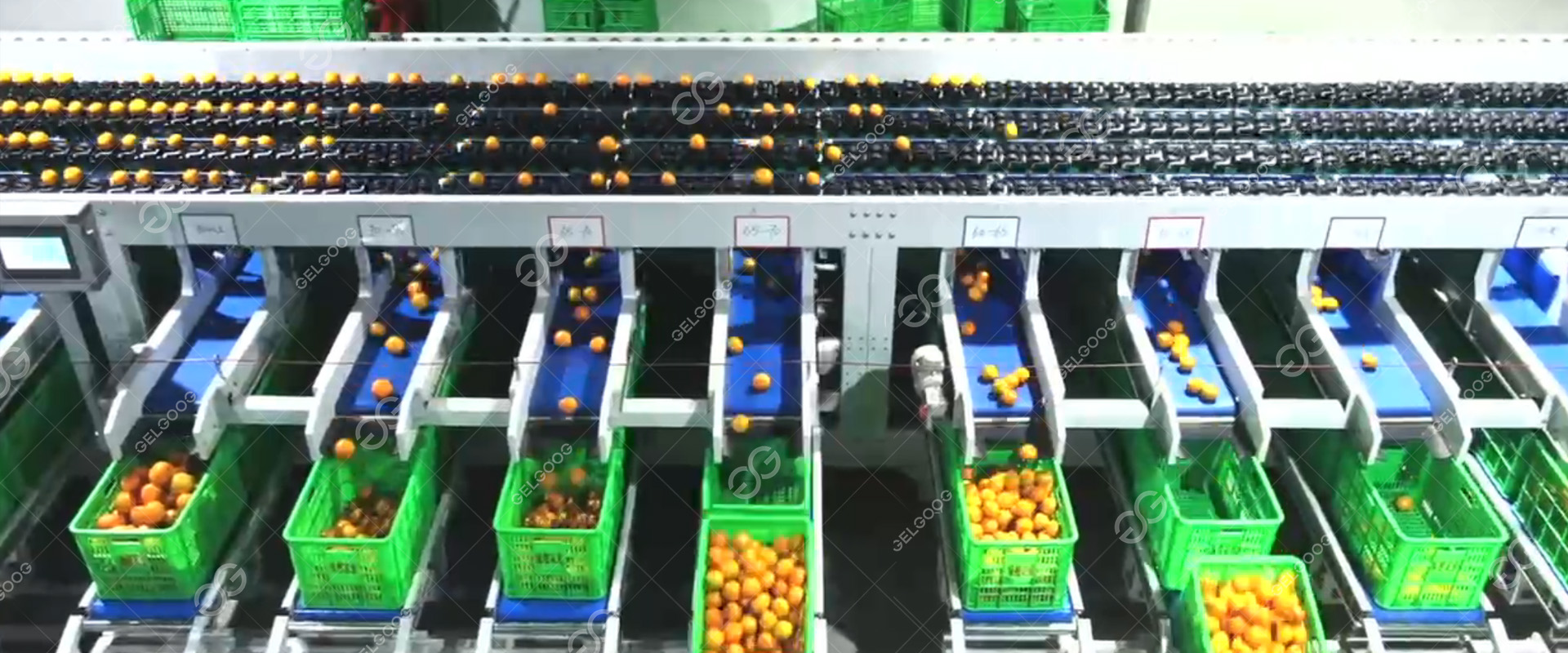
AI-Powered Fresh Fruit Sorting System
An AI sorting system grades fresh fruit using weight, size, color, shape and visible defects. Optional inspection functions cover maturity and internal quality indicators. The solution combines cleaning, drying, waxing, inspection and grading, with standards configured for fruit exporters, packing houses and commercial processors.
Products You Can Produce
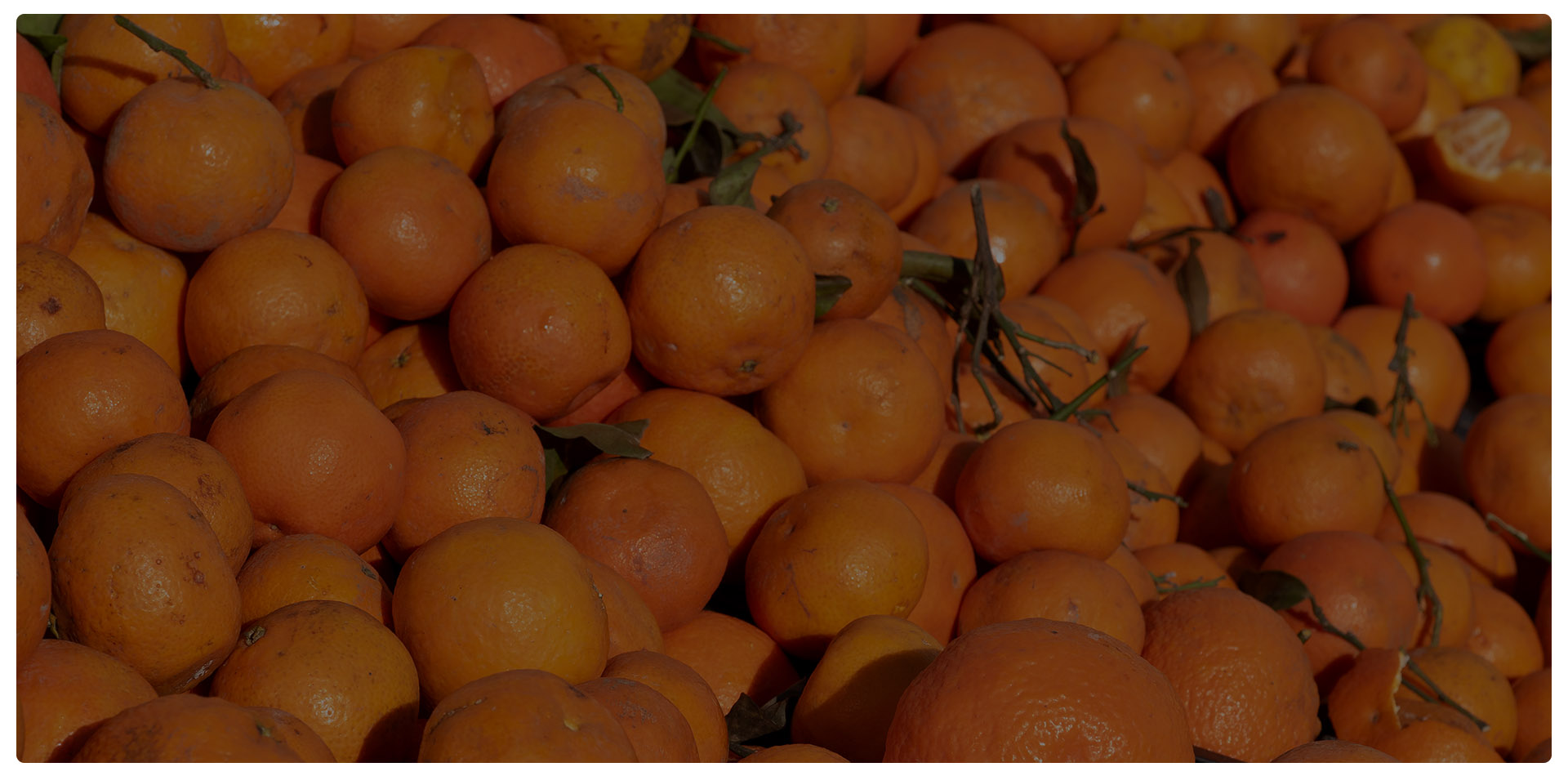
Combine washing, drying, waxing, optical inspection and grading for citrus. Configure checks for size, weight, color, shape and visible defects; evaluate optional maturity inspection separately.
Mandarin
Consistent fruit grading
Agree measurable grade standards so manual differences do not mix premium and lower-grade fruit.
Who the solution serves
Suitable configurations can support processors, packing houses and businesses developing value-added products.
Define your fruit requirements
Share fruit type, samples, daily capacity and current grading rules to prepare a preliminary configuration.
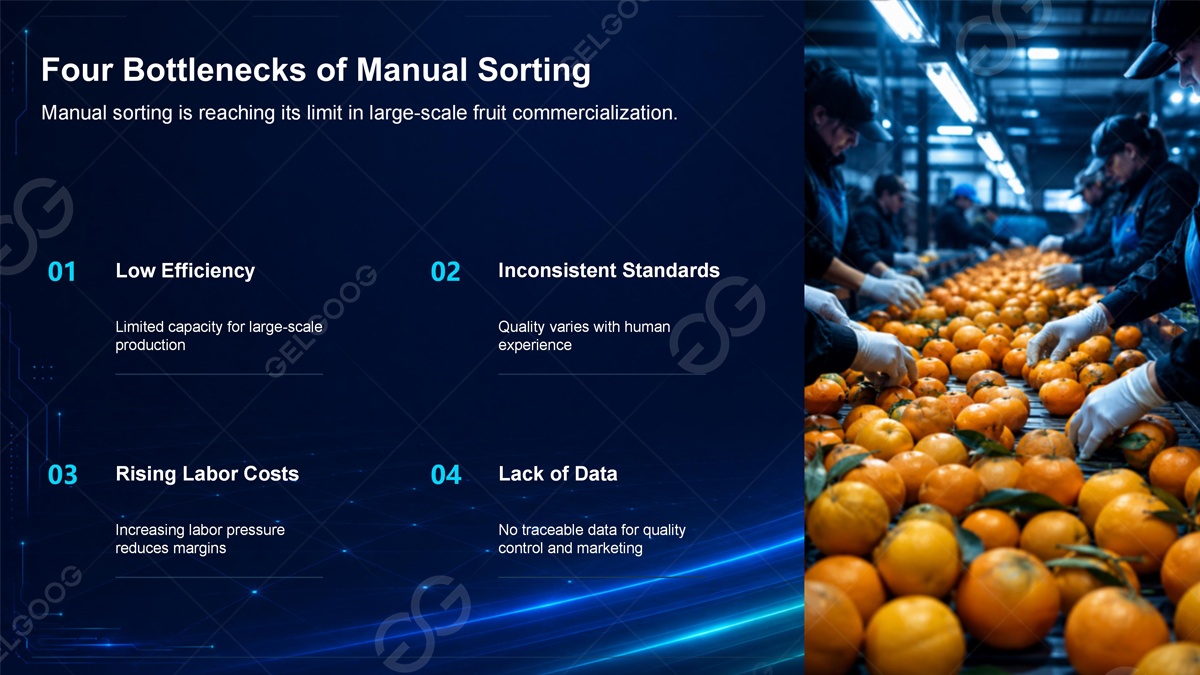
Common grading difficulties
Mixed grades, inconsistent inspection, labor demand and damaged fruit can affect packing quality.
| Problem | Business impact |
|---|---|
| Mixed fruit grades | Lower selling value |
| Inconsistent manual standards | Variable packing quality |
| Rising labor demand | Higher operating cost |
| Damaged fruit shipped | Quality complaints |
| Stricter buyer requirements | More quality pressure |
Sorting objectives
Separate premium fruit, reduce manual sorting and intercept visible defects before packing.
- Separate premium fruit more consistently
- Reduce repetitive manual sorting
- Improve consistency for export packing
- Find visible defects before packing
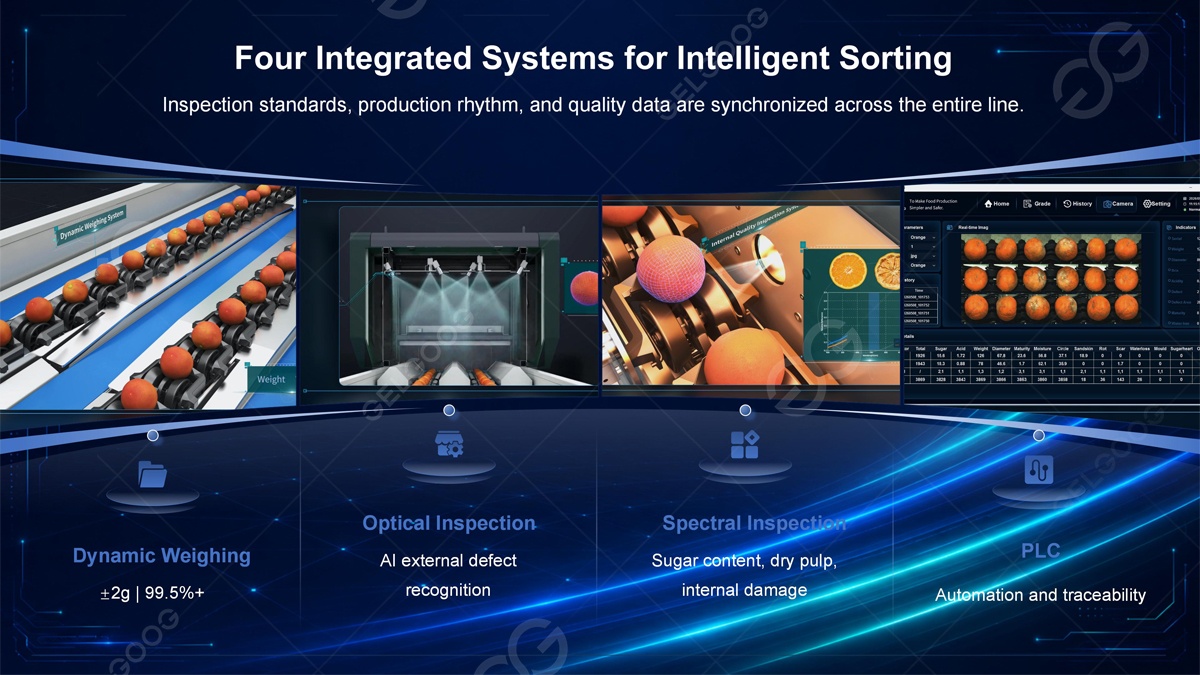
Manual sorting and AI inspection
Compare operator-dependent inspection with configured optical checks across several fruit-quality criteria.
| Traditional sorting | AI inspection |
|---|---|
| Depends on operator experience | Configured common standards |
| Mainly size and weight | Configure several inspection criteria for grading. |
| Variable results | A coordinated line supports steady operation. |
| Limited defect detection | Vision inspection checks fruit size, color and visible defects. |
Inspection criteria
Configure size, weight, color, shape, surface defects and grade standards. Maturity inspection is an optional assessment.
| Inspection criterion | Configuration |
|---|---|
| Fruit size | ✓ |
| Weight | ✓ |
| Color | ✓ |
| Shape | ✓ |
| Surface defects | ✓ |
| Bruises | ✓ |
| Disease spots | ✓ |
| Maturity | Optional |
| Quality grade | ✓ |
| Custom standards | ✓ |
Define your fruit requirements
Share fruit type, samples, daily capacity and current grading rules to prepare a preliminary configuration.
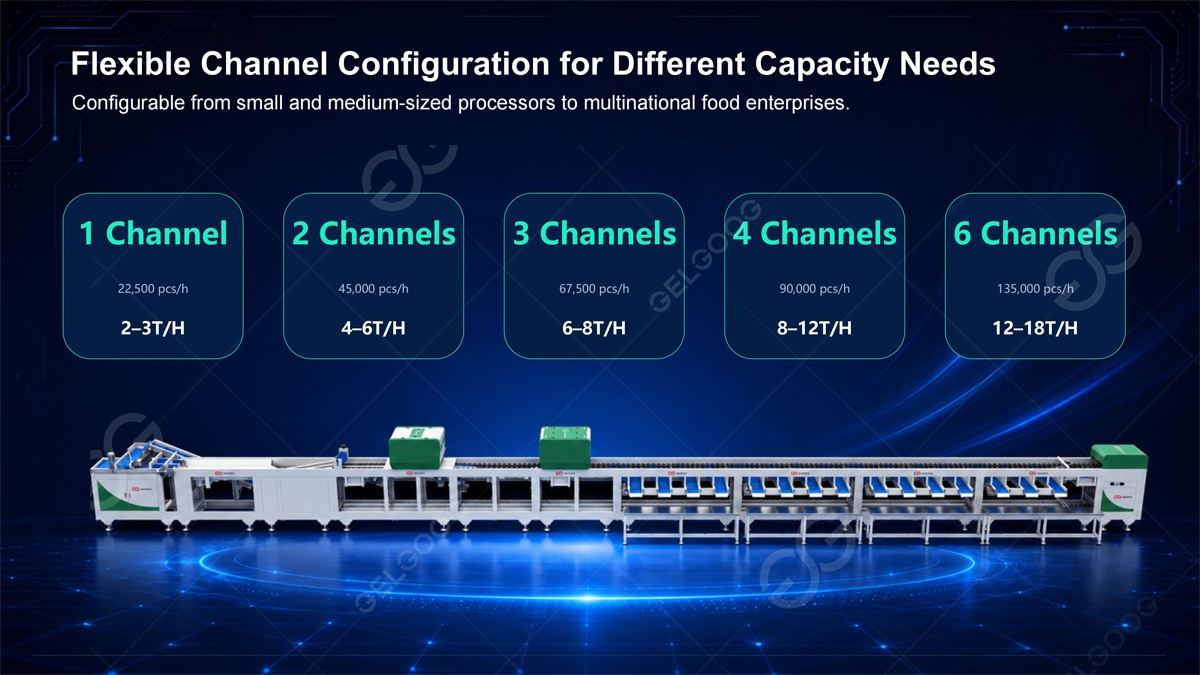
Grade separation and fruit value
Consistent grade separation can improve packing uniformity and reduce downstream reinspection.
| Before AI grading | With configured inspection |
|---|---|
| Premium fruit mixed with others | Separate size and quality grades before carton packing. |
| Defects can reach packing | Vision inspection checks fruit size, color and visible defects. |
| Operator-dependent quality | Configure several inspection criteria for grading. |
| More manual sorting | Automated transfer reduces repetitive manual handling. |
A complete sorting line
Connect washing, drying, optional waxing, optical inspection and grade outlets as one system.
| Processing stage | Main purpose |
|---|---|
| Washing | Remove surface dirt and residues with a product-matched washing stage. |
| Drying | Remove surface moisture before the next processing or packing stage. |
| Drying and waxing | Dry the fruit surface and apply the selected waxing process. |
| Optical sorting | Inspect fruit against the configured size, color and defect criteria. |
| Grading | Direct inspected products into the selected commercial grades. |
Configuration and project support
Coordinate modules, grade standards and installation requirements around the intended fruit operation.
Define your fruit requirements
Share fruit type, samples, daily capacity and current grading rules to prepare a preliminary configuration.
GELGOOG source demonstration
How We Help Your Production
Vision inspection checks fruit size, color and visible defects.
Gentle conveying helps protect fruit surfaces.
Hot-air circulation supports efficient drying.
Combine modular equipment around capacity and process needs.
Select components and standards for the required fruit market.
Efficient in Every Step of Production
Remove surface dirt and residues with a product-matched washing stage.
Dry the fruit surface and apply the selected waxing process.
Inspect fruit against the configured size, color and defect criteria.
Direct inspected products into the selected commercial grades.
Combine washing, drying, waxing, optical inspection and grading for citrus. Configure checks for size, weight, color, shape and visible defects; evaluate optional maturity inspection separately.
Mandarin
Consistent fruit grading
Agree measurable grade standards so manual differences do not mix premium and lower-grade fruit.
Who the solution serves
Suitable configurations can support processors, packing houses and businesses developing value-added products.
Define your fruit requirements
Share fruit type, samples, daily capacity and current grading rules to prepare a preliminary configuration.
Common grading difficulties
Mixed grades, inconsistent inspection, labor demand and damaged fruit can affect packing quality.
| Problem | Business impact |
|---|---|
| Mixed fruit grades | Lower selling value |
| Inconsistent manual standards | Variable packing quality |
| Rising labor demand | Higher operating cost |
| Damaged fruit shipped | Quality complaints |
| Stricter buyer requirements | More quality pressure |
Sorting objectives
Separate premium fruit, reduce manual sorting and intercept visible defects before packing.
- Separate premium fruit more consistently
- Reduce repetitive manual sorting
- Improve consistency for export packing
- Find visible defects before packing
Manual sorting and AI inspection
Compare operator-dependent inspection with configured optical checks across several fruit-quality criteria.
| Traditional sorting | AI inspection |
|---|---|
| Depends on operator experience | Configured common standards |
| Mainly size and weight | Configure several inspection criteria for grading. |
| Variable results | A coordinated line supports steady operation. |
| Limited defect detection | Vision inspection checks fruit size, color and visible defects. |
Inspection criteria
Configure size, weight, color, shape, surface defects and grade standards. Maturity inspection is an optional assessment.
| Inspection criterion | Configuration |
|---|---|
| Fruit size | ✓ |
| Weight | ✓ |
| Color | ✓ |
| Shape | ✓ |
| Surface defects | ✓ |
| Bruises | ✓ |
| Disease spots | ✓ |
| Maturity | Optional |
| Quality grade | ✓ |
| Custom standards | ✓ |
Define your fruit requirements
Share fruit type, samples, daily capacity and current grading rules to prepare a preliminary configuration.
Grade separation and fruit value
Consistent grade separation can improve packing uniformity and reduce downstream reinspection.
| Before AI grading | With configured inspection |
|---|---|
| Premium fruit mixed with others | Separate size and quality grades before carton packing. |
| Defects can reach packing | Vision inspection checks fruit size, color and visible defects. |
| Operator-dependent quality | Configure several inspection criteria for grading. |
| More manual sorting | Automated transfer reduces repetitive manual handling. |
A complete sorting line
Connect washing, drying, optional waxing, optical inspection and grade outlets as one system.
| Processing stage | Main purpose |
|---|---|
| Washing | Remove surface dirt and residues with a product-matched washing stage. |
| Drying | Remove surface moisture before the next processing or packing stage. |
| Drying and waxing | Dry the fruit surface and apply the selected waxing process. |
| Optical sorting | Inspect fruit against the configured size, color and defect criteria. |
| Grading | Direct inspected products into the selected commercial grades. |
Configuration and project support
Coordinate modules, grade standards and installation requirements around the intended fruit operation.
Define your fruit requirements
Share fruit type, samples, daily capacity and current grading rules to prepare a preliminary configuration.
GELGOOG source demonstration
How We Help Your Production
Link automated operations from preparation to packing.
Vision inspection checks fruit size, color and visible defects.
Gentle conveying helps protect fruit surfaces.
Hot-air circulation supports efficient drying.
Combine modular equipment around capacity and process needs.
Select components and standards for the required fruit market.
Efficient in Every Step of Production
Remove surface dirt and residues with a product-matched washing stage.
Dry the fruit surface and apply the selected waxing process.
Inspect fruit against the configured size, color and defect criteria.
Direct inspected products into the selected commercial grades.
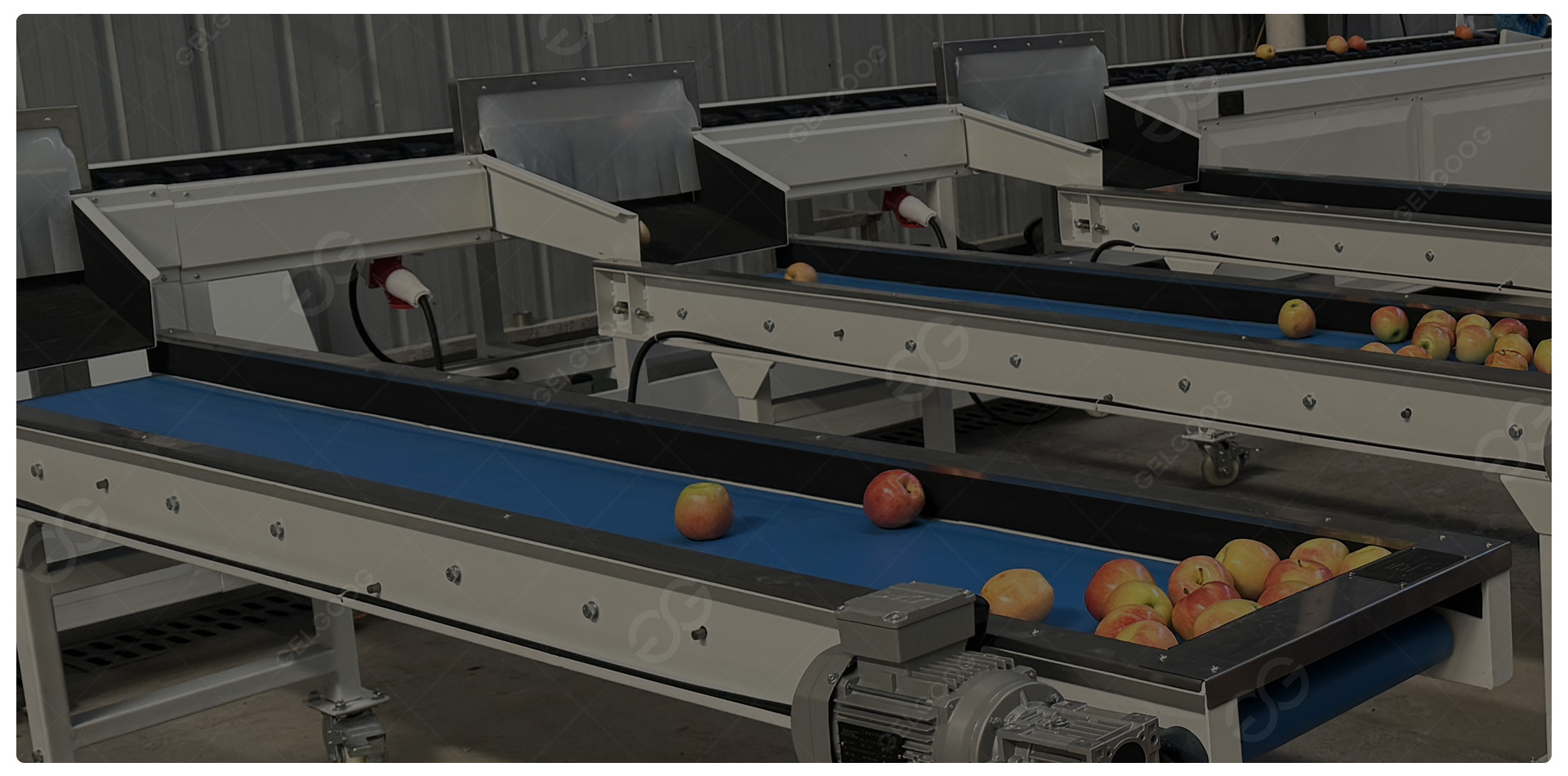
Grade apples with configurable intelligent inspection and gentle conveying. Match inspection criteria, data management and line configuration to production requirements.
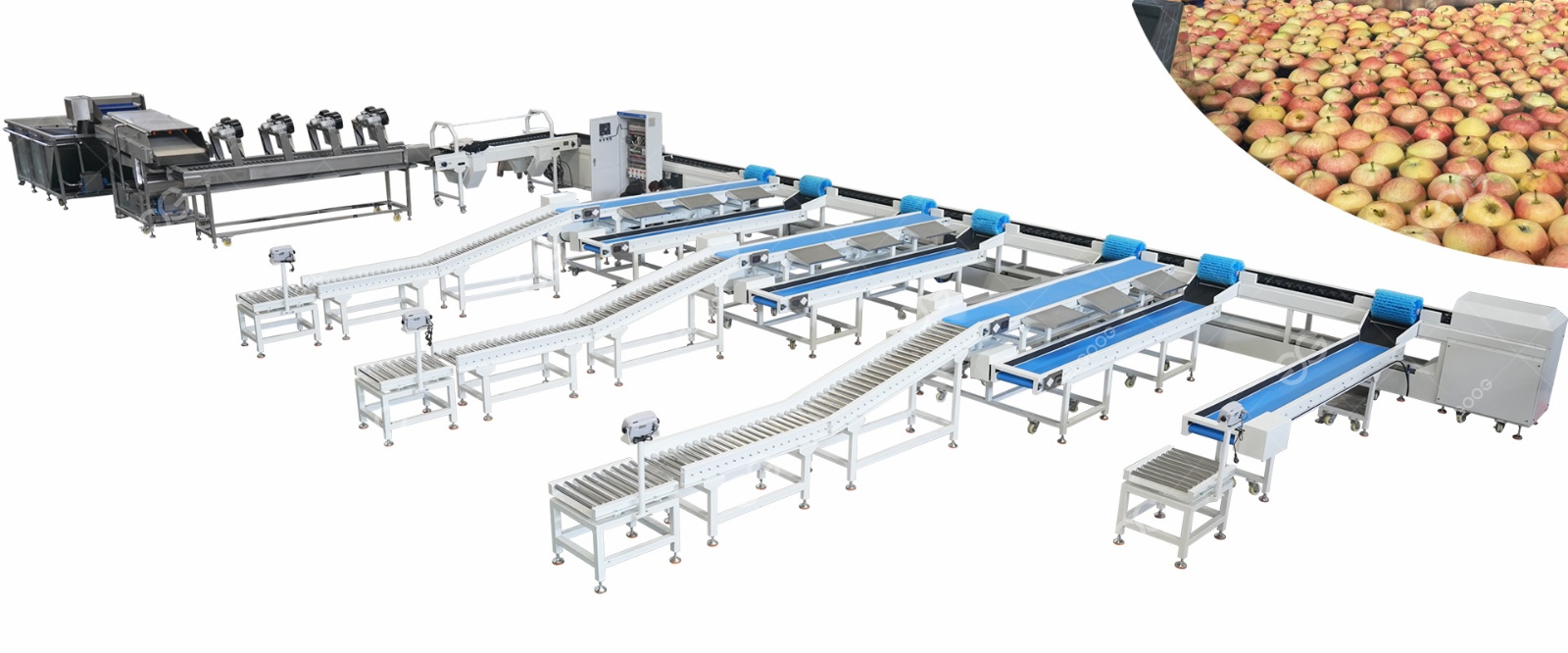
How We Help Your Production
Configure several inspection criteria for grading.
Gentle conveying helps protect fruit surfaces.
Choose configurations that fit the production budget.
Automated transfer reduces repetitive manual handling.
Production data supports monitoring and operating decisions.
Provide access for cleaning and maintenance.
Project Examples
Projects from the GELGOOG reference site
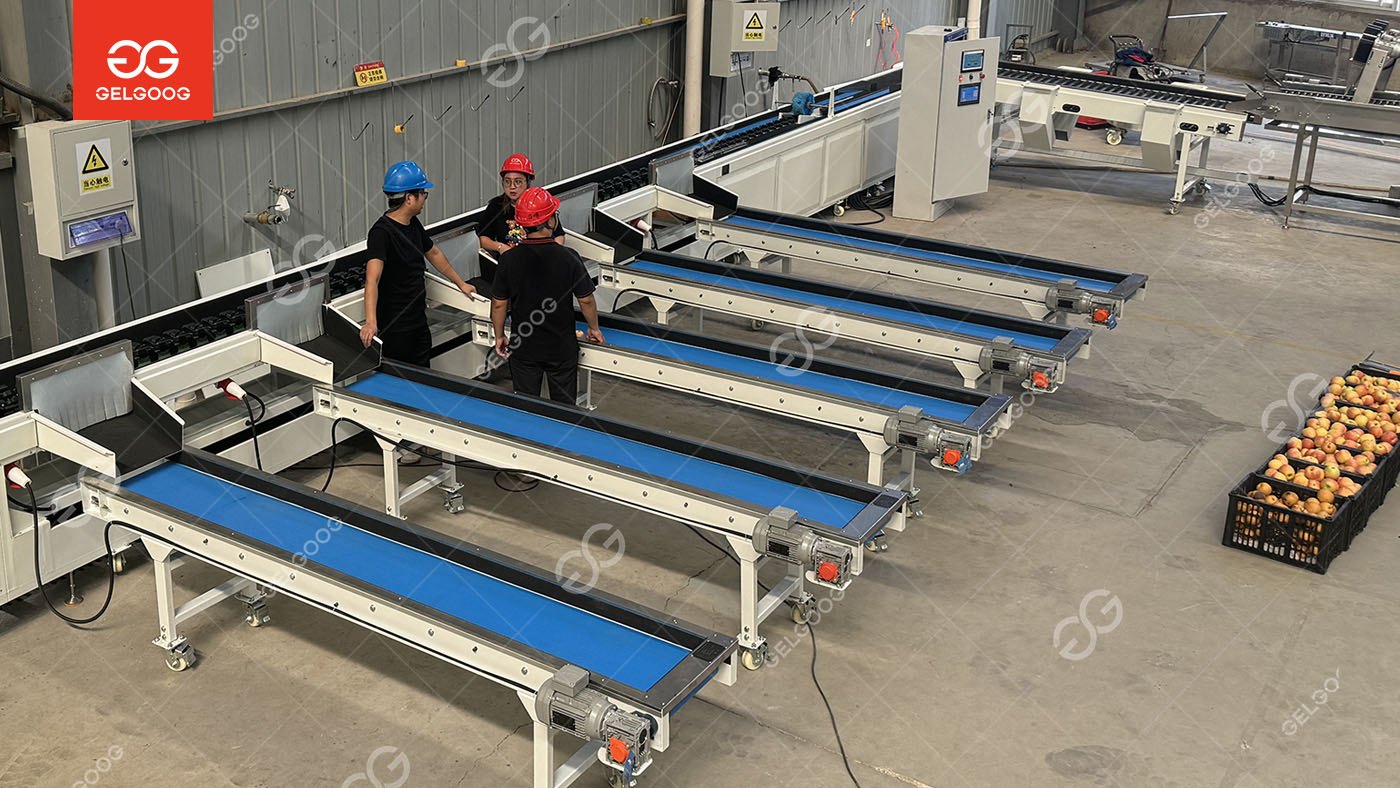
Apple Cleaning and Grading Line to Azerbaijan
A project example published by GELGOOG.
View source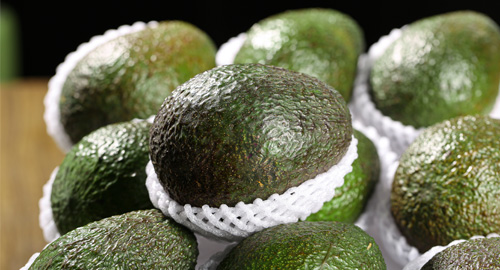
Kenya 5TPH Avocado Processing Line: Washing, Grading, Cutting, IQF Freezing & Packing Solutions
A project example published by GELGOOG.
View source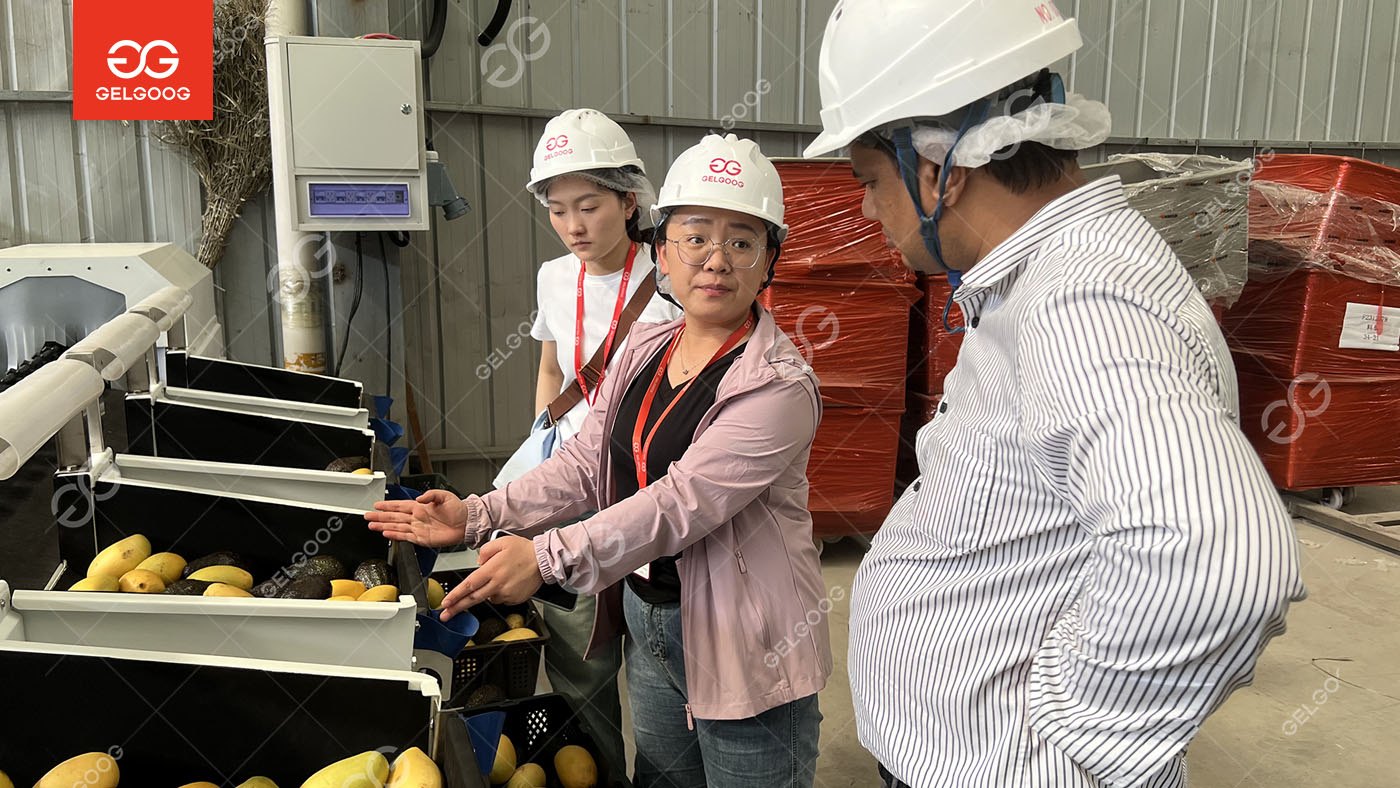
Factory Inspection-Bangladesh Customers Inspected Avocado Mango Washing Grading Line
A project example published by GELGOOG.
View sourceDiscuss your project
Tell us the product, required hourly output, available space and packaging requirements.