Which maturity or variety should be used?
Select firm, suitable material and confirm local variety behavior through product trials.
 INNAWEI英纳伟
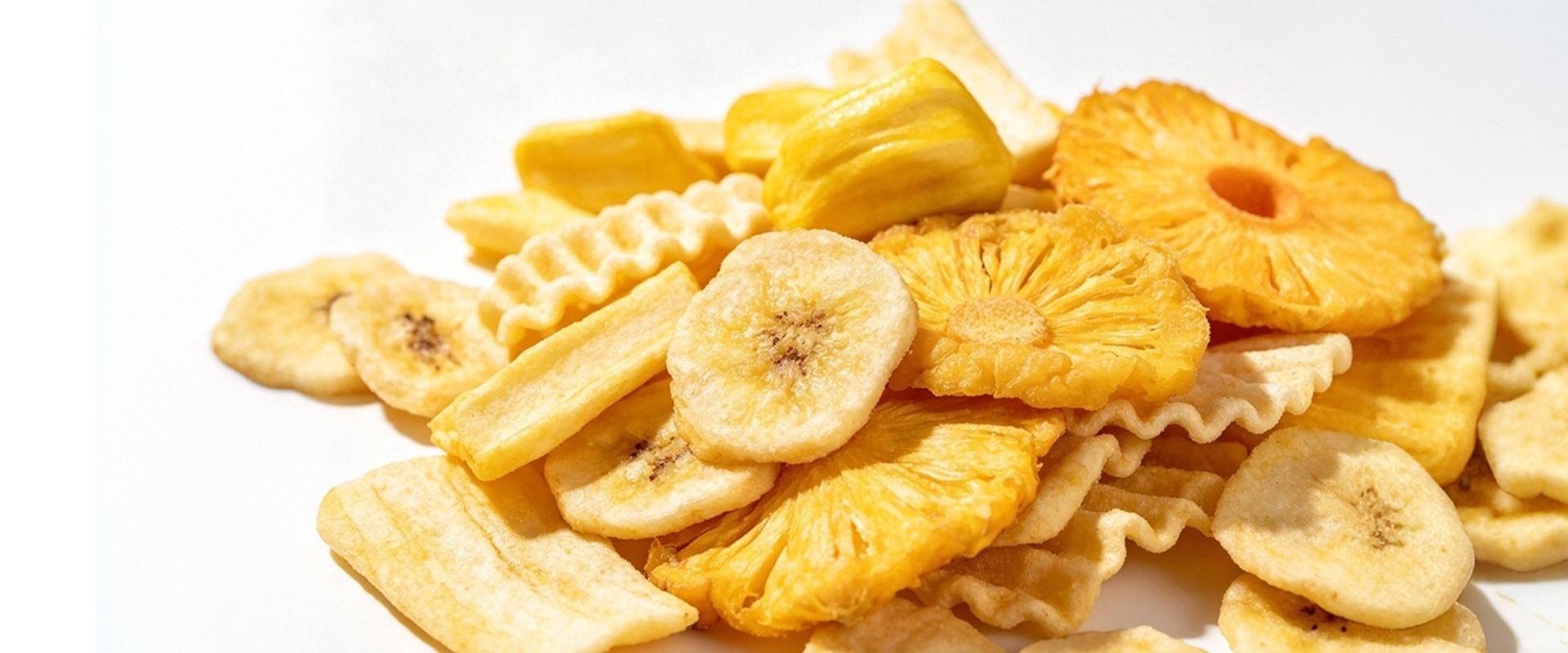
A configurable chip processing solution covers bananas, jackfruit, sweet potatoes and pineapple. Fruit preparation includes sorting, cleaning and cutting, followed by pretreatment, vacuum frying, deoiling and packing. Manual or assisted preparation can be combined with a batch vacuum fryer for smaller production projects.
Open jackfruit, separate edible bulbs and remove seeds before cutting and vacuum frying. Plan capacity from whole-fruit input, then balance frying, cooling and packaging.
Suitable configurations can support processors, packing houses and businesses developing value-added products.
Balance preparation, treatment and packing capacities so product moves through the line in a practical sequence.
| Processing stage | Main purpose |
|---|---|
| Receiving and sorting | Remove unsuitable product and visible impurities before processing. |
| Washing and opening | Plan opening, bulb separation, seed removal and latex or wet-waste handling before sizing the fryer. |
| Bulb separation and seed removal | Plan opening, bulb separation, seed removal and latex or wet-waste handling before sizing the fryer. |
| Trimming and cutting | Cut the prepared material into the required slice thickness. |
| Pretreatment and dewatering | Use product trials to select pretreatment and dewatering that stabilize surface moisture without damaging pieces. |
| Vacuum frying and deoiling | Fry the prepared product with controlled temperature and residence time. |
| Cooling and seasoning | Cool the product before freezing or packing. |
| Weighing and packaging | Pack the prepared product in the selected commercial format. |
Combine receiving, washing, cutting, preparation, dewatering, vacuum frying, deoiling, cooling and packing as required.
Plan opening, bulb separation, seed removal and latex or wet-waste handling before sizing the fryer.
Use product trials to select pretreatment and dewatering that stabilize surface moisture without damaging pieces.
Combine receiving, washing, cutting, preparation, dewatering, vacuum frying, deoiling, cooling and packing as required.
Validate slice consistency, color, oil management, cooling and moisture-barrier packaging for the intended sales route.
Distinguish whole-fruit input, usable prepared material, frying batches and packed output to identify bottlenecks.
| Project situation | Configuration direction |
|---|---|
| New market-entry project | Manual or assisted preparation with batch vacuum frying |
| Established local processor | Balance preparation, treatment and packing capacities so product moves through the line in a practical sequence. |
| High-volume stable supply | Expand preparation, transfers, oil management and packing |
| Several fruit-chip products | Different materials need validated preparation and frying settings. Plan separate processing, blending ratios and practical changeovers. |
Coordinate modules, grade standards and installation requirements around the intended fruit operation.
Share raw-material photos, dimensions, daily input, target snack, package format, workshop space and utility conditions.
Confirm raw-material suitability, selected equipment, product changeovers and packaging requirements during project planning.
Select firm, suitable material and confirm local variety behavior through product trials.
Yes. Remove seeds before cutting or slicing the edible bulbs.
Potentially. Validate each preparation and frying procedure, then plan cleaning and practical changeovers.
Use product trials to select pretreatment and dewatering that stabilize surface moisture without damaging pieces.
Oil condition affects flavor, color and consistency. Match filtration and circulation to operating hours and product range.
Share raw-material photos, dimensions, daily input, target snack, package format, workshop space and utility conditions.
Use target output, available workshop space, utilities and package requirements to define scope and layout.
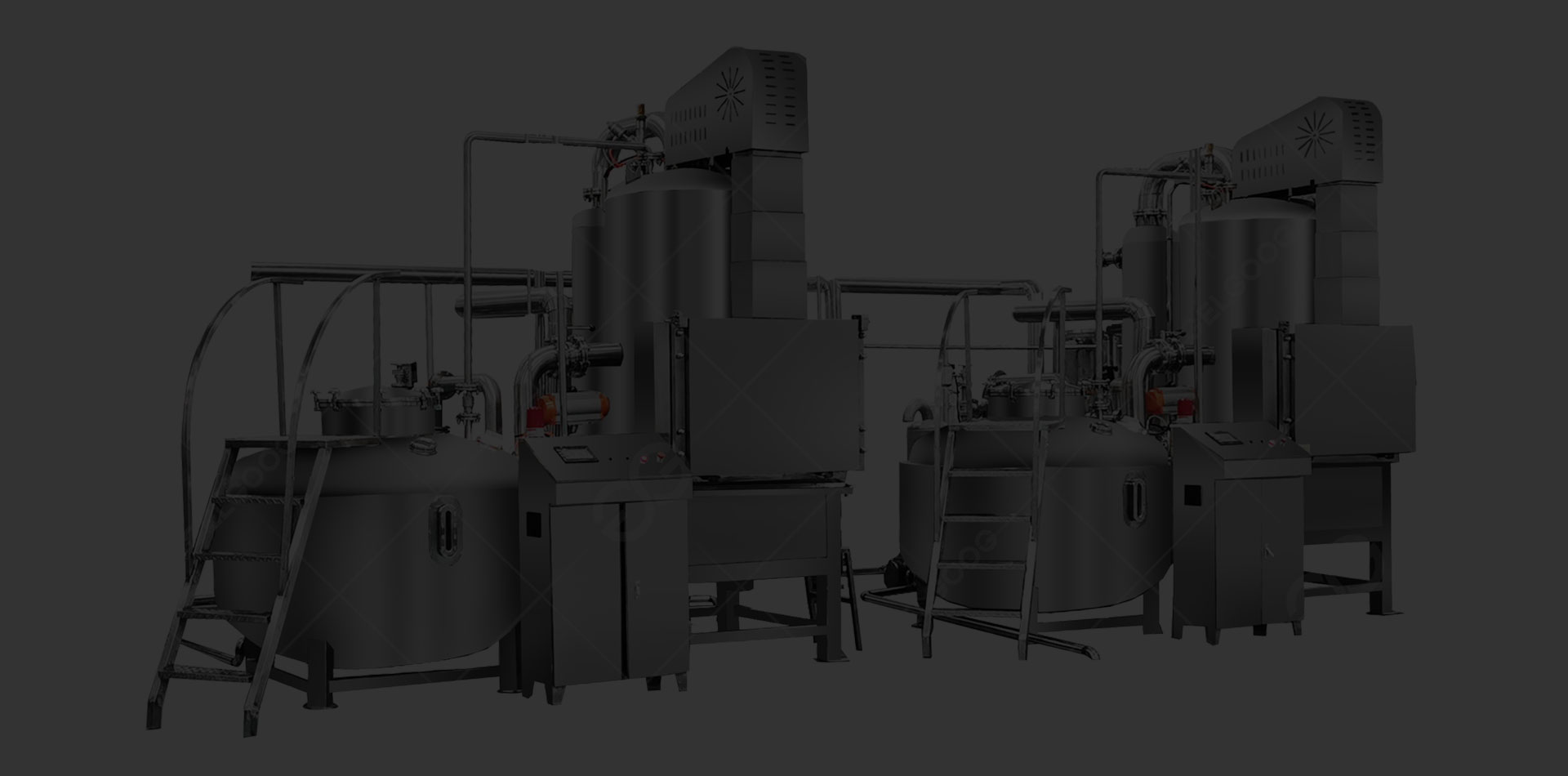
Low-temperature vacuum frying helps retain natural color.
Controlled conditions help limit excessive browning.
Gentle handling helps protect fragile product pieces.
Deoiling removes excess surface oil after frying.
Validate settings for each variety and maturity range.
Cool chips before packing to protect crisp texture.
Open jackfruit, separate edible bulbs and remove seeds before cutting and vacuum frying. Plan capacity from whole-fruit input, then balance frying, cooling and packaging.
Suitable configurations can support processors, packing houses and businesses developing value-added products.
Balance preparation, treatment and packing capacities so product moves through the line in a practical sequence.
| Processing stage | Main purpose |
|---|---|
| Receiving and sorting | Remove unsuitable product and visible impurities before processing. |
| Washing and opening | Plan opening, bulb separation, seed removal and latex or wet-waste handling before sizing the fryer. |
| Bulb separation and seed removal | Plan opening, bulb separation, seed removal and latex or wet-waste handling before sizing the fryer. |
| Trimming and cutting | Cut the prepared material into the required slice thickness. |
| Pretreatment and dewatering | Use product trials to select pretreatment and dewatering that stabilize surface moisture without damaging pieces. |
| Vacuum frying and deoiling | Fry the prepared product with controlled temperature and residence time. |
| Cooling and seasoning | Cool the product before freezing or packing. |
| Weighing and packaging | Pack the prepared product in the selected commercial format. |
Combine receiving, washing, cutting, preparation, dewatering, vacuum frying, deoiling, cooling and packing as required.
Plan opening, bulb separation, seed removal and latex or wet-waste handling before sizing the fryer.
Use product trials to select pretreatment and dewatering that stabilize surface moisture without damaging pieces.
Combine receiving, washing, cutting, preparation, dewatering, vacuum frying, deoiling, cooling and packing as required.
Validate slice consistency, color, oil management, cooling and moisture-barrier packaging for the intended sales route.
Distinguish whole-fruit input, usable prepared material, frying batches and packed output to identify bottlenecks.
| Project situation | Configuration direction |
|---|---|
| New market-entry project | Manual or assisted preparation with batch vacuum frying |
| Established local processor | Balance preparation, treatment and packing capacities so product moves through the line in a practical sequence. |
| High-volume stable supply | Expand preparation, transfers, oil management and packing |
| Several fruit-chip products | Different materials need validated preparation and frying settings. Plan separate processing, blending ratios and practical changeovers. |
Coordinate modules, grade standards and installation requirements around the intended fruit operation.
Share raw-material photos, dimensions, daily input, target snack, package format, workshop space and utility conditions.
Confirm raw-material suitability, selected equipment, product changeovers and packaging requirements during project planning.
Select firm, suitable material and confirm local variety behavior through product trials.
Yes. Remove seeds before cutting or slicing the edible bulbs.
Potentially. Validate each preparation and frying procedure, then plan cleaning and practical changeovers.
Use product trials to select pretreatment and dewatering that stabilize surface moisture without damaging pieces.
Oil condition affects flavor, color and consistency. Match filtration and circulation to operating hours and product range.
Share raw-material photos, dimensions, daily input, target snack, package format, workshop space and utility conditions.
Use target output, available workshop space, utilities and package requirements to define scope and layout.
Low-temperature vacuum frying helps retain natural color.
Controlled conditions help limit excessive browning.
Gentle handling helps protect fragile product pieces.
Deoiling removes excess surface oil after frying.
Validate settings for each variety and maturity range.
Cool chips before packing to protect crisp texture.
Prepare pineapple slices for vacuum frying with a validated route for browning control, moisture and optional pre-freezing. Protect soft slices through conveying and packing.
Suitable configurations can support processors, packing houses and businesses developing value-added products.
Balance preparation, treatment and packing capacities so product moves through the line in a practical sequence.
| Processing stage | Main purpose |
|---|---|
| Receiving and sorting | Remove unsuitable product and visible impurities before processing. |
| Washing and peeling | Remove the outer skin or peel before further processing. |
| Slicing | Cut the prepared material into the required slice thickness. |
| Anti-browning treatment | Evaluate validated pretreatment with fruit variety, maturity, sugar level and selected frying conditions. |
| Pre-freezing | Assess pre-freezing or frozen setting with pineapple slice format and the validated frying route. |
| Vacuum frying and deoiling | Fry the prepared product with controlled temperature and residence time. |
| Cooling and seasoning | Cool the product before freezing or packing. |
| Weighing and packaging | Pack the prepared product in the selected commercial format. |
Evaluate validated pretreatment with fruit variety, maturity, sugar level and selected frying conditions.
Evaluate validated pretreatment with fruit variety, maturity, sugar level and selected frying conditions.
Assess pre-freezing or frozen setting with pineapple slice format and the validated frying route.
Match preparation and frying to the incoming fruit profile to manage browning, deformation and moisture release.
Combine receiving, washing, cutting, preparation, dewatering, vacuum frying, deoiling, cooling and packing as required.
| Equipment module | Typical scope |
|---|---|
| Product preparation | Clean potatoes and remove peel before cutting. |
| Trimming and cutting | Cut the prepared material into the required slice thickness. |
| Anti-browning treatment | Evaluate validated pretreatment with fruit variety, maturity, sugar level and selected frying conditions. |
| Pre-freezing | Assess pre-freezing or frozen setting with pineapple slice format and the validated frying route. |
| Vacuum frying and deoiling | Fry the prepared product with controlled temperature and residence time. |
| Cooling and packaging | Remove excess surface oil after frying. |
| Weighing and packaging | Pack the prepared product in the selected commercial format. |
Share raw-material photos, dimensions, daily input, target snack, package format, workshop space and utility conditions.
| Information you provide | Planning use |
|---|---|
| Variety and maturity | Check dimensions, maturity, firmness, freshness and visible defects using representative seasonal material. |
| Target product image | Agree shape, thickness, visual quality and retail positioning before selecting cutting and handling equipment. |
| Expected raw input | Distinguish whole-fruit input, usable prepared material, frying batches and packed output to identify bottlenecks. |
| Size and condition | Rounds, ridged slices, strips and pieces use different raw-material ranges and require different presentation standards. |
| Working hours and shifts | Distinguish whole-fruit input, usable prepared material, frying batches and packed output to identify bottlenecks. |
| Package and net weight | Validate slice consistency, color, oil management, cooling and moisture-barrier packaging for the intended sales route. |
| Factory location and space | Plan wet preparation, frying, cooling and packing zones with drainage, cleaning access, waste handling and operator movement. |
| Sales market | Validate slice consistency, color, oil management, cooling and moisture-barrier packaging for the intended sales route. |
Use target output, available workshop space, utilities and package requirements to define scope and layout.
Direct sound material to suitable cut formats; unsuitable or spoiled material should be excluded from the snack route.
Validate slice consistency, color, oil management, cooling and moisture-barrier packaging for the intended sales route.
Confirm raw-material suitability, selected equipment, product changeovers and packaging requirements during project planning.
Potentially, with suitable raw material and a validated preparation, frying and packaging route.
Evaluate validated pretreatment with fruit variety, maturity, sugar level and selected frying conditions.
Assess pre-freezing or frozen setting with pineapple slice format and the validated frying route.
Assess pre-freezing or frozen setting with pineapple slice format and the validated frying route.
For the referenced taro, pineapple and cassava routes, peel removal is part of preparation before cutting.
Potentially. Validate each preparation and frying procedure, then plan cleaning and practical changeovers.
Evaluate validated pretreatment with fruit variety, maturity, sugar level and selected frying conditions.
Share raw-material photos, dimensions, daily input, target snack, package format, workshop space and utility conditions.
Use target output, available workshop space, utilities and package requirements to define scope and layout.
Low-temperature vacuum frying helps retain natural color.
Manage raw-material moisture before and during frying.
Adjust settings for the selected shapes and thicknesses.
Controlled conditions help limit excessive browning.
Gentle handling helps protect fragile product pieces.
Deoiling removes excess surface oil after frying.
Match banana variety, ripeness and slice thickness to a validated vacuum-frying process. Coordinate pretreatment, deoiling, cooling, seasoning and packing.
Low-pressure frying provides a route to control banana-chip color, crispness and oil removal; validate it with the actual variety and slice format.
Balance preparation, treatment and packing capacities so product moves through the line in a practical sequence.
| Processing stage | Main purpose | Planning focus |
|---|---|---|
| Receiving and sorting | Remove unsuitable product and visible impurities before processing. | Validate slice consistency, color, oil management, cooling and moisture-barrier packaging for the intended sales route. |
| Peeling | Remove the outer skin or peel before further processing. | Validate slice consistency, color, oil management, cooling and moisture-barrier packaging for the intended sales route. |
| Slicing | Cut the prepared material into the required slice thickness. | Validate slice consistency, color, oil management, cooling and moisture-barrier packaging for the intended sales route. |
| Product preparation | Evaluate validated pretreatment with fruit variety, maturity, sugar level and selected frying conditions. | Validate slice consistency, color, oil management, cooling and moisture-barrier packaging for the intended sales route. |
| Pretreatment and dewatering | Use product trials to select pretreatment and dewatering that stabilize surface moisture without damaging pieces. | Validate slice consistency, color, oil management, cooling and moisture-barrier packaging for the intended sales route. |
| Vacuum frying and deoiling | Fry the prepared product with controlled temperature and residence time. | Validate slice consistency, color, oil management, cooling and moisture-barrier packaging for the intended sales route. |
| Deoiling | Remove excess surface oil after frying. | Validate slice consistency, color, oil management, cooling and moisture-barrier packaging for the intended sales route. |
| Cooling and seasoning | Cool the product before freezing or packing. | Validate slice consistency, color, oil management, cooling and moisture-barrier packaging for the intended sales route. |
| Weighing and packaging | Pack the prepared product in the selected commercial format. | Validate slice consistency, color, oil management, cooling and moisture-barrier packaging for the intended sales route. |
Set an achievable thickness range and validate texture, drying behavior and breakage through trials.
Evaluate validated pretreatment with fruit variety, maturity, sugar level and selected frying conditions.
Combine receiving, washing, cutting, preparation, dewatering, vacuum frying, deoiling, cooling and packing as required.
Distinguish whole-fruit input, usable prepared material, frying batches and packed output to identify bottlenecks.
Validate slice consistency, color, oil management, cooling and moisture-barrier packaging for the intended sales route.
Plan wet preparation, frying, cooling and packing zones with drainage, cleaning access, waste handling and operator movement.
Confirm raw-material suitability, selected equipment, product changeovers and packaging requirements during project planning.
Potentially, with suitable raw material and a validated preparation, frying and packaging route.
Select firm, suitable material and confirm local variety behavior through product trials.
Evaluate validated pretreatment with fruit variety, maturity, sugar level and selected frying conditions.
Deoiling removes excess surface oil after frying.
Yes, with a suitable seasoning module and validated cleaning and product-change procedures.
Distinguish whole-fruit input, usable prepared material, frying batches and packed output to identify bottlenecks.
Use target output, available workshop space, utilities and package requirements to define scope and layout.
Gentle handling helps protect fragile product pieces.
Control frying temperature and time for repeatable color.
Validate settings for each variety and maturity range.
Link automated operations from preparation to packing.
Cool chips before packing to protect crisp texture.
Deoiling removes excess surface oil after frying.
Prepare cassava through washing, peeling, trimming, slicing and starch control before vacuum frying. Validate cassava safety requirements independently of fryer settings.
Suitable configurations can support processors, packing houses and businesses developing value-added products.
Balance preparation, treatment and packing capacities so product moves through the line in a practical sequence.
| Processing stage | Main purpose |
|---|---|
| Receiving and sorting | Remove surface dirt and residues with a product-matched washing stage. |
| Peeling and trimming | Remove the outer skin or peel before further processing. |
| Slicing and starch control | Assess rinsing and starch control after slicing to support consistent preparation and frying. |
| Pretreatment and dewatering | Use product trials to select pretreatment and dewatering that stabilize surface moisture without damaging pieces. |
| Vacuum frying and deoiling | Fry the prepared product with controlled temperature and residence time. |
| Cooling and packaging | Cool the product before freezing or packing. |
Coordinate timely receiving, washing, peel removal and trimming around root size and condition.
Coordinate timely receiving, washing, peel removal and trimming around root size and condition.
Assess rinsing and starch control after slicing to support consistent preparation and frying.
Validate cassava preparation and safety controls for the actual variety. Blanching or frying alone is not a universal safety guarantee.
Combine receiving, washing, cutting, preparation, dewatering, vacuum frying, deoiling, cooling and packing as required.
| Equipment module | Typical scope |
|---|---|
| Receiving and sorting | Remove surface dirt and residues with a product-matched washing stage. |
| Peeling and trimming | Remove the outer skin or peel before further processing. |
| Slicing | Cut the prepared material into the required slice thickness. |
| Rinsing and preparation | Assess rinsing and starch control after slicing to support consistent preparation and frying. |
| Pretreatment and dewatering | Use product trials to select pretreatment and dewatering that stabilize surface moisture without damaging pieces. |
| Vacuum frying and deoiling | Fry the prepared product with controlled temperature and residence time. |
| Cooling and seasoning | Cool the product before freezing or packing. |
| Weighing and packaging | Pack the prepared product in the selected commercial format. |
Share raw-material photos, dimensions, daily input, target snack, package format, workshop space and utility conditions.
| Information you provide | Planning use |
|---|---|
| Variety and maturity | Check dimensions, maturity, firmness, freshness and visible defects using representative seasonal material. |
| Safety and quality information | Validate cassava preparation and safety controls for the actual variety. Blanching or frying alone is not a universal safety guarantee. |
| Target product image | Agree shape, thickness, visual quality and retail positioning before selecting cutting and handling equipment. |
| Expected raw input | Distinguish whole-fruit input, usable prepared material, frying batches and packed output to identify bottlenecks. |
| Working hours and shifts | Distinguish whole-fruit input, usable prepared material, frying batches and packed output to identify bottlenecks. |
Confirm raw-material suitability, selected equipment, product changeovers and packaging requirements during project planning.
Potentially, with suitable raw material and a validated preparation, frying and packaging route.
For the referenced taro, pineapple and cassava routes, peel removal is part of preparation before cutting.
Assess rinsing and starch control after slicing to support consistent preparation and frying.
Validate cassava preparation and safety controls for the actual variety. Blanching or frying alone is not a universal safety guarantee.
Use target output, available workshop space, utilities and package requirements to define scope and layout.
Control frying temperature and time for repeatable color.
Adjust settings for the selected shapes and thicknesses.
Deoiling removes excess surface oil after frying.
Deoiling removes excess surface oil after frying.
Link automated operations from preparation to packing.
Combine modular equipment around capacity and process needs.
Tell us the product, required hourly output, available space and packaging requirements.