Automatic Croissant Production Line
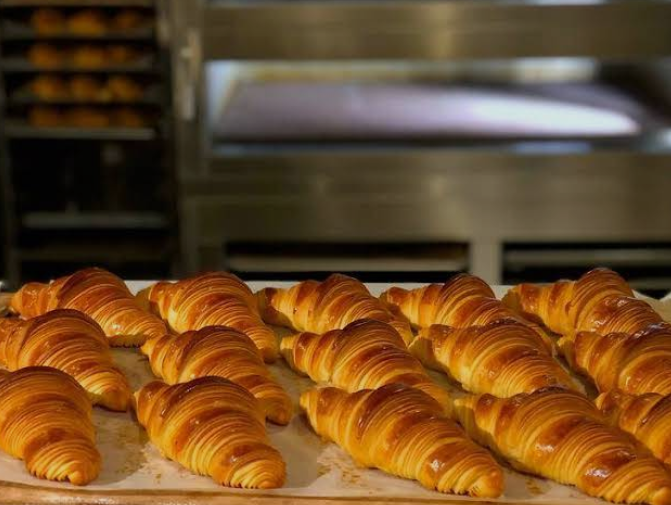
Innawei integrates dough mixing, butter lamination, sheeting, cutting, croissant forming, proofing and baking into a coordinated croissant production line. Configure semi-automatic or fully automatic processing according to your desired croissant products, production capacity and factory layout.
Products You Can Profit From
Croissant
Innawei offers automated croissant production lines integrating dough mixing, butter lamination, cutting, forming, proofing and baking for efficient, large-scale bakery production.
Processing Flow
How We Help You Increase Yield & Profit
High Production Efficiency
Plan for continuous production and capacity growth
Equipment arranged for operation and maintenance
Adjust roasting temperature and residence time
Process support and after-sales coordination
Efficient in Every Step of Production
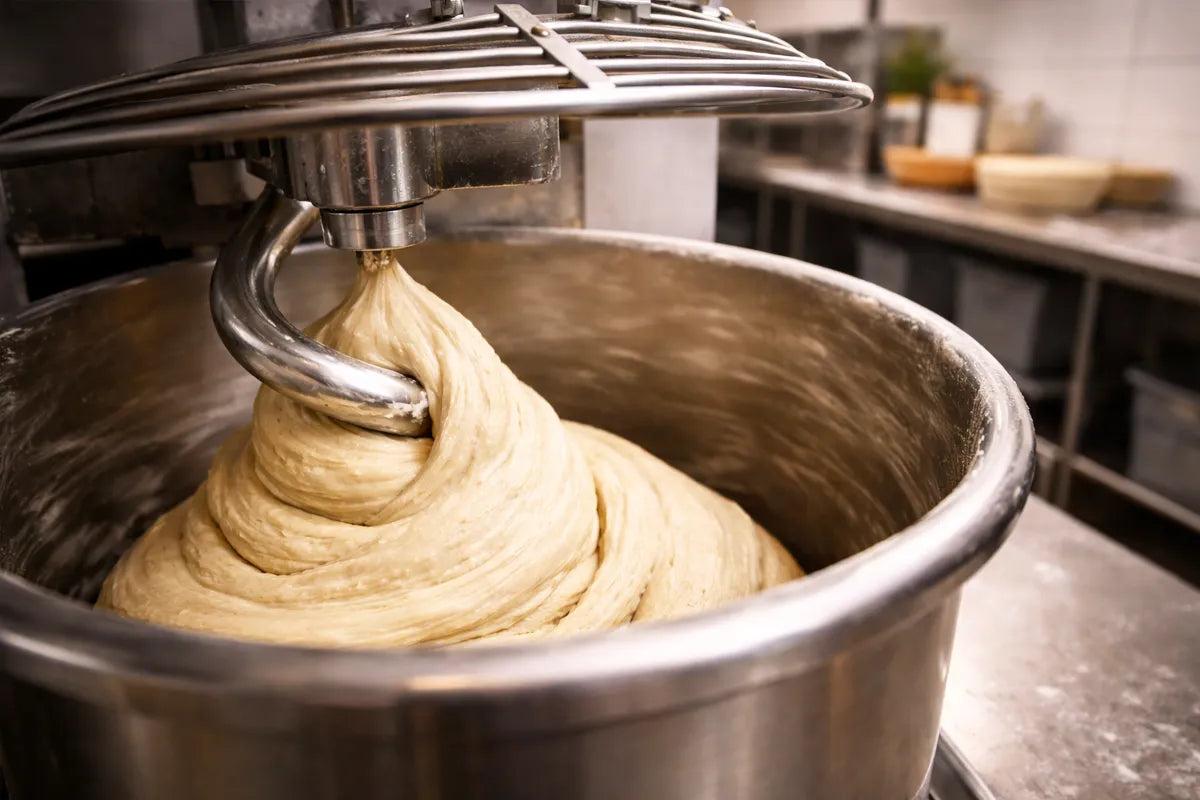
The process begins by mixing flour, water, yeast, and other ingredients to form a smooth, elastic dough. Proper mixing develops the gluten structure needed for lamination and ensures consistent dough quality.
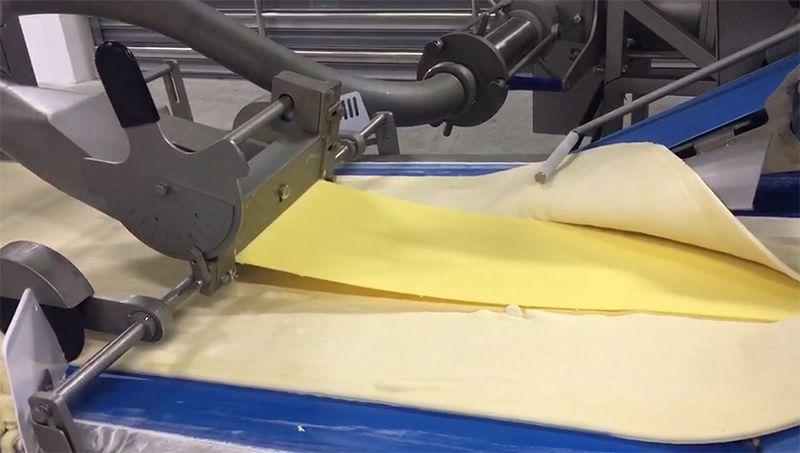
Butter is incorporated into the dough through repeated folding and sheeting, creating multiple alternating layers of dough and butter. The laminated dough is then rolled to the required thickness to ensure the flaky texture and consistent structure of finished croissants.
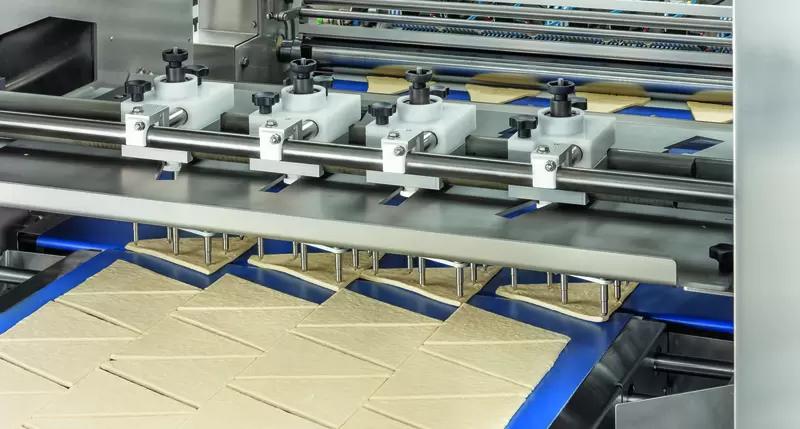
The laminated dough is cut into evenly sized triangular pieces to meet the required product specifications. For filled croissants, a depositing system can add a precise amount of chocolate, cream, fruit filling, or other ingredients before forming.
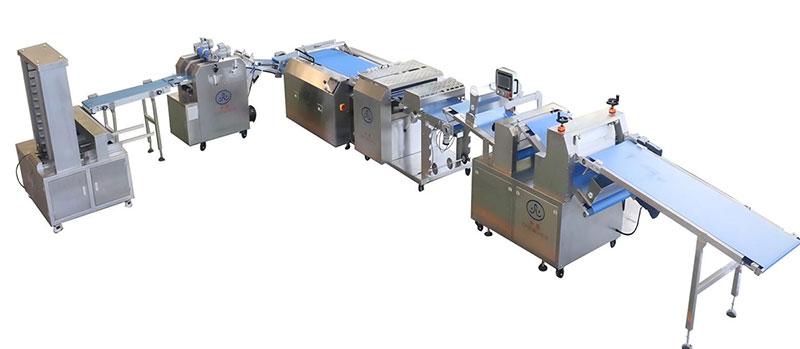
The machine automatically rolls the triangular dough pieces into the traditional croissant shape. The formed products are then arranged on baking trays at consistent intervals, ready for proofing and baking.
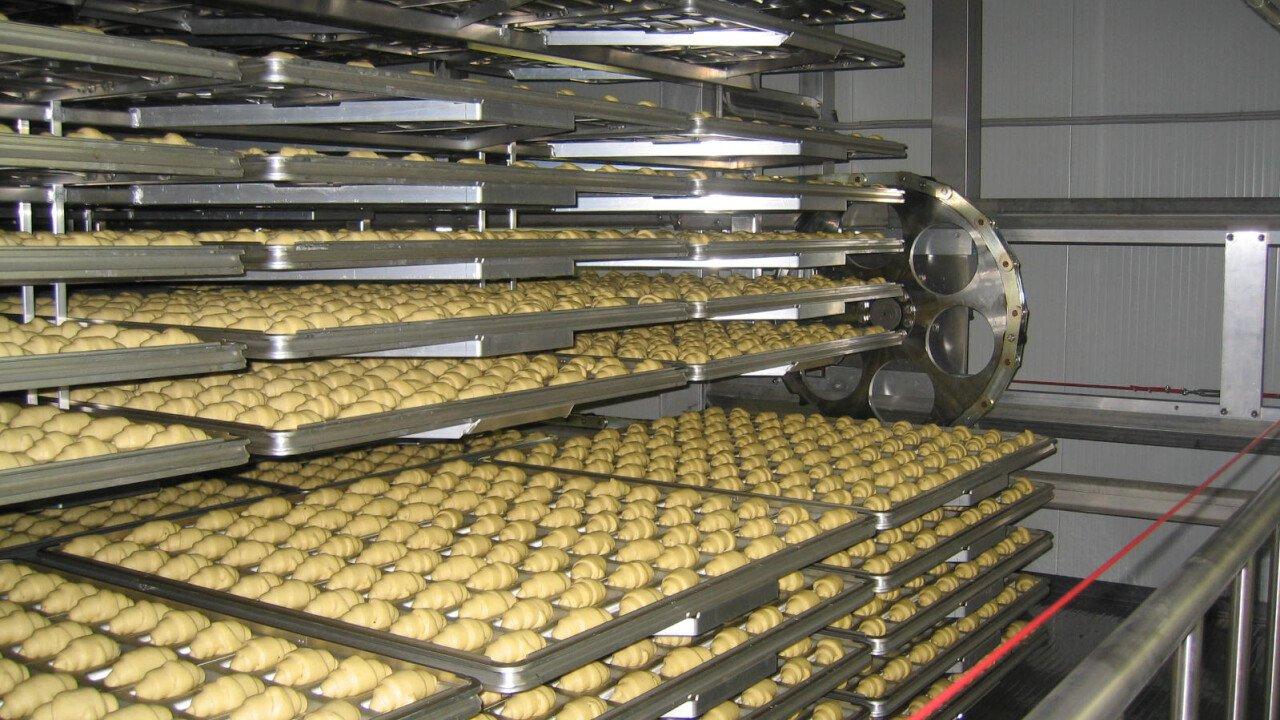
The formed croissants are transferred to a proofing chamber, where temperature and humidity are controlled to support proper fermentation. This process helps the dough develop the desired volume, texture, and structure before baking.
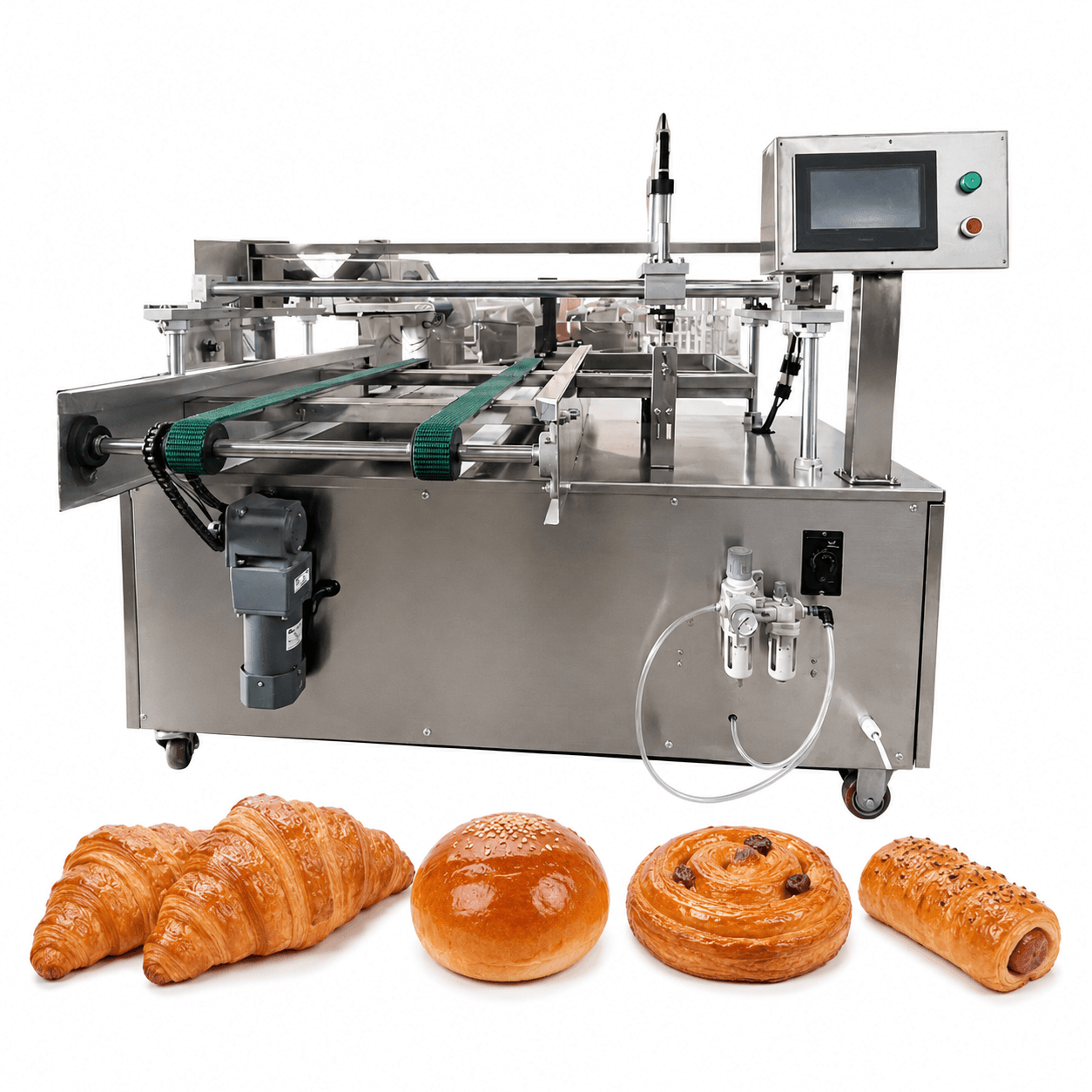
Egg washing involves applying a thin, even layer of beaten egg or egg mixture to the surface of croissants before baking. It helps create an attractive golden-brown color, a glossy finish, and a more appealing appearance after baking.
Bake the proofed croissants in an industrial oven until they develop a golden-brown surface and a flaky interior. After baking, pass them through a cooling conveyor to cool them before packaging.
Croissant
Innawei offers automated croissant production lines integrating dough mixing, butter lamination, cutting, forming, proofing and baking for efficient, large-scale bakery production.
Processing Flow
How We Help You Increase Yield & Profit
Coordinated automation across the production line
High Production Efficiency
Plan for continuous production and capacity growth
Equipment arranged for operation and maintenance
Adjust roasting temperature and residence time
Process support and after-sales coordination
Efficient in Every Step of Production
The process begins by mixing flour, water, yeast, and other ingredients to form a smooth, elastic dough. Proper mixing develops the gluten structure needed for lamination and ensures consistent dough quality.
Butter is incorporated into the dough through repeated folding and sheeting, creating multiple alternating layers of dough and butter. The laminated dough is then rolled to the required thickness to ensure the flaky texture and consistent structure of finished croissants.
The laminated dough is cut into evenly sized triangular pieces to meet the required product specifications. For filled croissants, a depositing system can add a precise amount of chocolate, cream, fruit filling, or other ingredients before forming.
The machine automatically rolls the triangular dough pieces into the traditional croissant shape. The formed products are then arranged on baking trays at consistent intervals, ready for proofing and baking.
The formed croissants are transferred to a proofing chamber, where temperature and humidity are controlled to support proper fermentation. This process helps the dough develop the desired volume, texture, and structure before baking.
Egg washing involves applying a thin, even layer of beaten egg or egg mixture to the surface of croissants before baking. It helps create an attractive golden-brown color, a glossy finish, and a more appealing appearance after baking.
Bake the proofed croissants in an industrial oven until they develop a golden-brown surface and a flaky interior. After baking, pass them through a cooling conveyor to cool them before packaging.
Croissant
Innawei offers automated croissant production lines integrating dough mixing, butter lamination, cutting, forming, proofing and baking for efficient, large-scale bakery production.
Processing Flow
How We Help You Increase Yield & Profit
Coordinate the full processing route
Adapt equipment to several product types
Configure equipment around your production needs
Equipment arranged for operation and maintenance
Plan accessible controls and operating safeguards
Select equipment for sustained factory use
Efficient in Every Step of Production
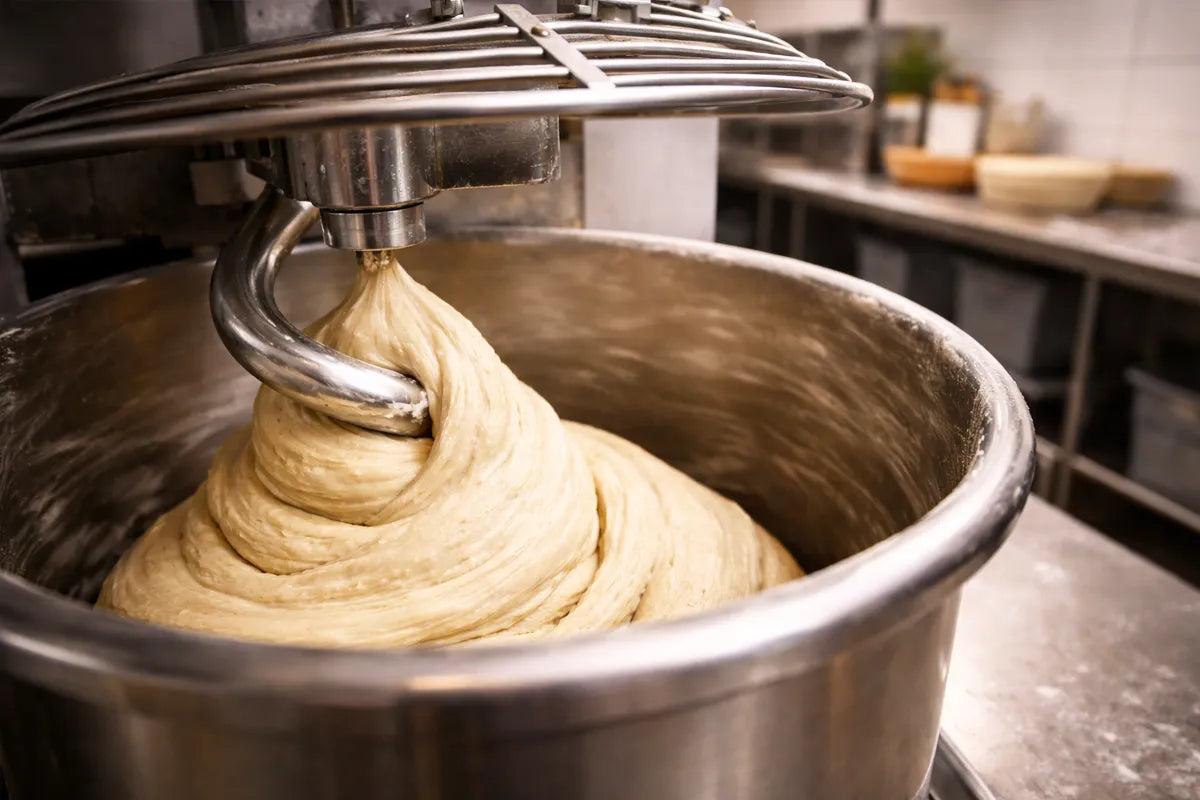
The process begins by mixing flour, water, yeast, and other ingredients to form a smooth, elastic dough. Proper mixing develops the gluten structure needed for lamination and ensures consistent dough quality.
Butter is incorporated into the dough through repeated folding and sheeting, creating multiple alternating layers of dough and butter. The laminated dough is then rolled to the required thickness to ensure the flaky texture and consistent structure of finished croissants.
The laminated dough is cut into evenly sized triangular pieces to meet the required product specifications. For filled croissants, a depositing system can add a precise amount of chocolate, cream, fruit filling, or other ingredients before forming.
The machine automatically rolls the triangular dough pieces into the traditional croissant shape. The formed products are then arranged on baking trays at consistent intervals, ready for proofing and baking.
The formed croissants are transferred to a proofing chamber, where temperature and humidity are controlled to support proper fermentation. This process helps the dough develop the desired volume, texture, and structure before baking.
Egg washing involves applying a thin, even layer of beaten egg or egg mixture to the surface of croissants before baking. It helps create an attractive golden-brown color, a glossy finish, and a more appealing appearance after baking.
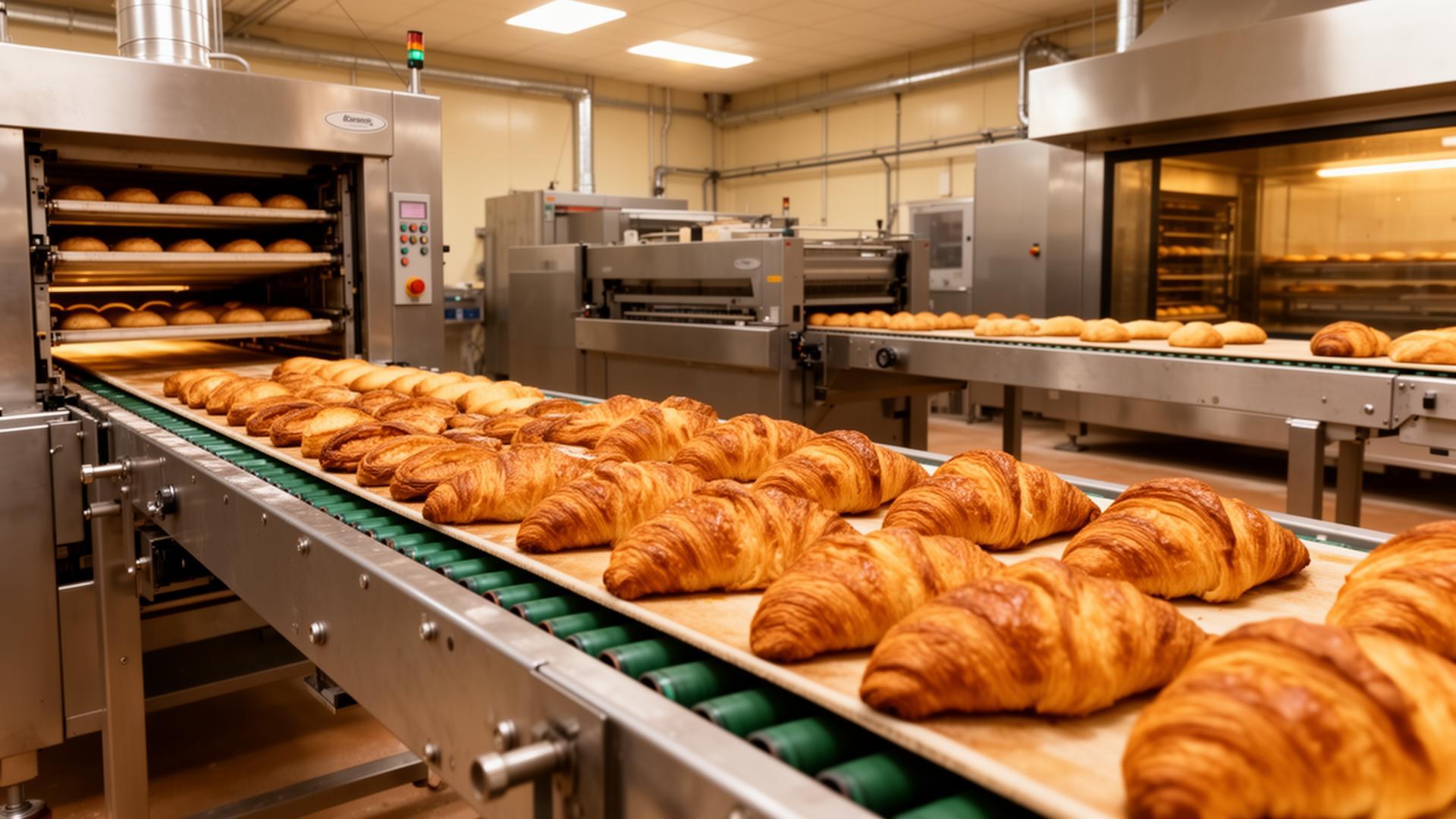
Bake the proofed croissants in an industrial oven until they develop a golden-brown surface and a flaky interior. After baking, pass them through a cooling conveyor to cool them before packaging.
Croissant
Innawei offers automated croissant production lines integrating dough mixing, butter lamination, cutting, forming, proofing and baking for efficient, large-scale bakery production.
Processing flow
How We Help You Increase Yield & Profit
Coordinate the full processing route
Adapt equipment to several product types
Configure equipment around your production needs
Equipment arranged for operation and maintenance
Plan accessible controls and operating safeguards
Select equipment for sustained factory use
Efficient in Every Step of Production
The process begins by mixing flour, water, yeast, and other ingredients to form a smooth, elastic dough. Proper mixing develops the gluten structure needed for lamination and ensures consistent dough quality.
Butter is incorporated into the dough through repeated folding and sheeting, creating multiple alternating layers of dough and butter. The laminated dough is then rolled to the required thickness to ensure the flaky texture and consistent structure of finished croissants.
The laminated dough is cut into evenly sized triangular pieces to meet the required product specifications. For filled croissants, a depositing system can add a precise amount of chocolate, cream, fruit filling, or other ingredients before forming.
The machine automatically rolls the triangular dough pieces into the traditional croissant shape. The formed products are then arranged on baking trays at consistent intervals, ready for proofing and baking.
The formed croissants are transferred to a proofing chamber, where temperature and humidity are controlled to support proper fermentation. This process helps the dough develop the desired volume, texture, and structure before baking.
Egg washing involves applying a thin, even layer of beaten egg or egg mixture to the surface of croissants before baking. It helps create an attractive golden-brown color, a glossy finish, and a more appealing appearance after baking.
Bake the proofed croissants in an industrial oven until they develop a golden-brown surface and a flaky interior. After baking, pass them through a cooling conveyor to cool them before packaging.
Croissant
Innawei offers automated croissant production lines integrating dough mixing, butter lamination, cutting, forming, proofing and baking for efficient, large-scale bakery production.
Processing flow
How We Help You Increase Yield & Profit
Integrated Production Process
Improved Production Efficiency
Configure equipment around your production needs
Consistent Product Specifications
Reduced Labor Requirements
Flexible Equipment Configuration
Efficient in Every Step of Production
The process begins by mixing flour, water, yeast, and other ingredients to form a smooth, elastic dough. Proper mixing develops the gluten structure needed for lamination and ensures consistent dough quality.
Butter is incorporated into the dough through repeated folding and sheeting, creating multiple alternating layers of dough and butter. The laminated dough is then rolled to the required thickness to ensure the flaky texture and consistent structure of finished croissants.
The laminated dough is cut into evenly sized triangular pieces to meet the required product specifications. For filled croissants, a depositing system can add a precise amount of chocolate, cream, fruit filling, or other ingredients before forming.
The machine automatically rolls the triangular dough pieces into the traditional croissant shape. The formed products are then arranged on baking trays at consistent intervals, ready for proofing and baking.
The formed croissants are transferred to a proofing chamber, where temperature and humidity are controlled to support proper fermentation. This process helps the dough develop the desired volume, texture, and structure before baking.
Egg washing involves applying a thin, even layer of beaten egg or egg mixture to the surface of croissants before baking. It helps create an attractive golden-brown color, a glossy finish, and a more appealing appearance after baking.
Bake the proofed croissants in an industrial oven until they develop a golden-brown surface and a flaky interior. After baking, pass them through a cooling conveyor to cool them before packaging.
Project Examples
Projects from the GELGOOG reference site
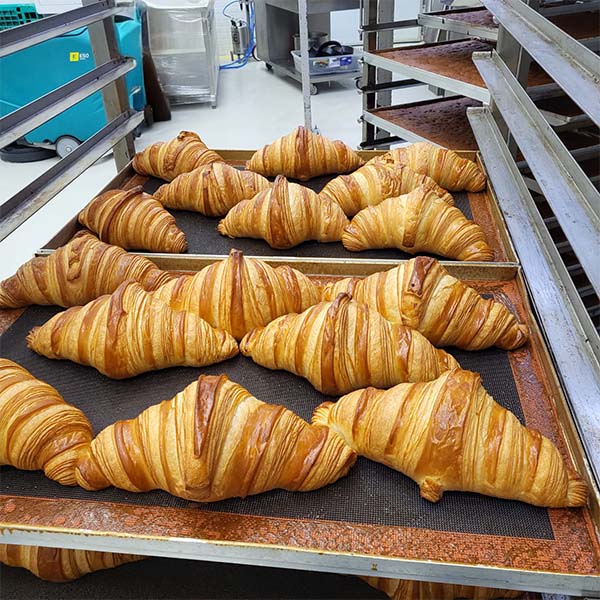
4,000–5,000 Pieces per Hour | Customizable Bakery Processing Solution
A project example published by INNAWEI
View sourceDiscuss your project
Tell us the product, required hourly output, available space and packaging requirements.